Three Percent Sustainability Challenge
  • Three Percent Sustainability Challenge
  • About
  • Contact

Integrated pest management

7/1/2018

0 Comments

 
A few weeks ago I posted about disposing of pesticides and containers that you no longer need. While I was researching that, I found a webpage on integrated pest management, which describes methods to control pests (insects and rodents) in ways that reduce the use of toxic chemicals.  The website encourages learning about your pest (and has information to help you identify the pest) before reaching for the toxic chemicals, because you may be able to control it without chemicals.  It also has information on selecting pesticides that specifically target your pest so you don’t need to use the most toxic, broad-spectrum pesticides.  And remember, many insects feed beneficial birds and other creatures, so if you eliminate the insect, you may eliminate the other creatures as well.  You shouldn’t let pests overrun your home or create unhealthy conditions, but perhaps you can find a less impactful way to keep them outside where they belong.  A few ideas and the link to the website:

  • Stuff small holes leading into the house with steel wool.  Mice can’t chew through it.  And remember that mice can squeeze through what seem like impossibly small spaces so think like a mouse when you’re filling holes.  
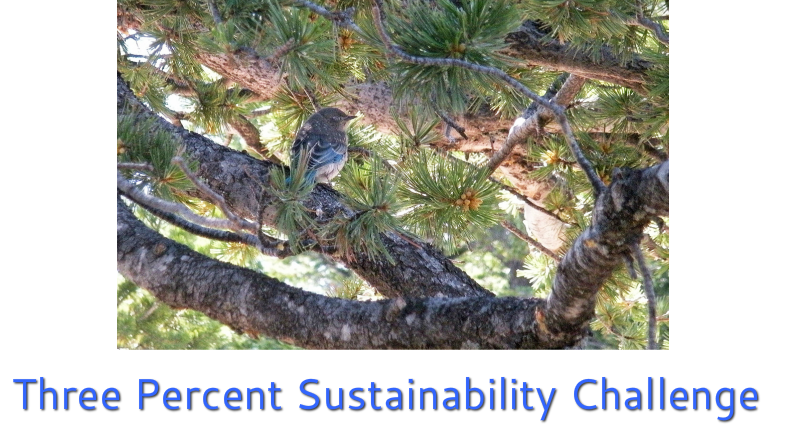
  • Encourage insect-eating birds and bats by helping make appropriate habitat near your house.  Birds and bats can eat hundreds of mosquitos every day.  Barn swallows (we have a nest with 5 babies over our front door) can eat up to 850 mosquitos a day per bird.  Yes, the nest is messy, but the birds are adorable and fun to watch and we can sit outside in the evening without mosquito repellent.  ​
http://npic.orst.edu/pest/ipm.html
0 Comments


Leave a Reply.

    Archives

    January 2026
    December 2025
    November 2025
    October 2025
    September 2025
    August 2025
    July 2025
    June 2025
    May 2025
    April 2025
    March 2025
    February 2025
    January 2025
    December 2024
    November 2024
    October 2024
    September 2024
    August 2024
    July 2024
    June 2024
    May 2024
    April 2024
    March 2024
    February 2024
    January 2024
    December 2023
    November 2023
    October 2023
    September 2023
    August 2023
    July 2023
    June 2023
    May 2023
    April 2023
    March 2023
    February 2023
    January 2023
    December 2022
    November 2022
    October 2022
    September 2022
    August 2022
    July 2022
    June 2022
    May 2022
    April 2022
    March 2022
    February 2022
    January 2022
    December 2021
    November 2021
    October 2021
    September 2021
    August 2021
    July 2021
    June 2021
    May 2021
    April 2021
    March 2021
    February 2021
    January 2021
    December 2020
    November 2020
    October 2020
    September 2020
    August 2020
    July 2020
    June 2020
    May 2020
    April 2020
    March 2020
    February 2020
    January 2020
    December 2019
    November 2019
    October 2019
    September 2019
    August 2019
    July 2019
    June 2019
    May 2019
    April 2019
    March 2019
    February 2019
    January 2019
    December 2018
    November 2018
    October 2018
    September 2018
    August 2018
    July 2018
    June 2018
    May 2018
    April 2018
    March 2018
    February 2018
    January 2018
    December 2017
    November 2017
    October 2017
    September 2017
    August 2017
    July 2017
    June 2017
    May 2017
    April 2017
    March 2017
    February 2017
    January 2017
    December 2016
    November 2016
    October 2016
    September 2016
    August 2016
    July 2016
    June 2016
    May 2016
    April 2016
    March 2016
    February 2016

    RSS Feed

  • Three Percent Sustainability Challenge
  • About
  • Contact