Three Percent Sustainability Challenge
  • Three Percent Sustainability Challenge
  • About
  • Contact

Just enough

2/27/2021

0 Comments

 
It’s easy to continue doing daily activities the same way we always have, but sometimes a small change can make a difference in our environmental footprint.  Even small changes add up over time.  Stop a moment once in a while throughout the day and evaluate whether you can make a change that would use fewer resources or energy.  Here are some ideas to get you started. 
  • Change the settings on your clothes washing machine based on the type of load. If the clothing is lightly soiled, choosing the light setting will save energy and also reduce wear on clothes so they last longer.  Nearly every load can be washed in cold water, also saving energy. 
  • Similarly, change the settings on your dishwasher as needed.  You may be able to skip the pre-rinse if you chose a more robust cleaning cycle, or select a light cleaning cycle if that’s appropriate.  We never use the heated drying feature.  If we open the dishwasher door when the wash cycle is complete, the dishes quickly air dry. 
  • Check instructions and measure items such as coffee grounds or laundry soap, so that you are using just enough but not more.  It’s easy to accidentally use a little extra each time if you are not paying attention. 
  • Learn how many minutes you need to heat commonly cooked food items and select a specific number of minutes when using the microwave instead of potentially overheating an item by using an easy preset speed button.
  • Sometimes you need several bright lights turned on in a room and sometimes you only need one or two lights, based on your activities.  Adjust the lighting to fit the task and time of day.  
0 Comments

Staying warm

2/17/2021

0 Comments

 
The US is experiencing record cold temperatures in many areas, and millions are without electric power or experiencing rolling blackouts because power grids are struggling.  Many are looking for ways to stay warm while reducing energy use.  DO NOT bring cooking or heating appliances designed for outdoor use into your house, because there is a high risk of carbon monoxide poisoning.  Here are some ideas to help keep yourself and your home warm with less energy use:
  • Hang blankets, towels, or sheets over windows to provide an extra layer of insulation.  You can tack a layer of plastic sheeting over the outside of the windows to reduce drafts.  The air space between the window and the covering also provides insulation, because air that is not moving is a good insulator.  It’s highly unlikely in most buildings, but make sure you don’t seal your home so tightly that there is no air exchange with the outdoors. 
  • If you have an old-fashioned ceiling fan (the ones with the big blades that hang from the ceiling), set the direction of rotation to “winter” and run the fan slowly.  Warm air rises, and using the ceiling fan will bring the warm air back down to where you are sitting.
  • Turn your thermostat down 2-3 degrees at night, wear heavy socks to bed and add an extra blanket.
  • Put a rug or rolled up towel against the bottom crack of doors to the outside to help block drafts.  When the weather is warm again, check to make sure you have good weatherstripping around your doors and windows.
  • Put furniture along outside walls.  It provides an extra layer of insulation.
  • Minimize the number of times you open doors to the outside or to unheated areas like garages. 
  • If it’s been a while, change the air filter on your furnace.  A dirty filter can significantly reduce the efficiency of your furnace.  
0 Comments

Birds and lawn chemicals

2/6/2021

0 Comments

 
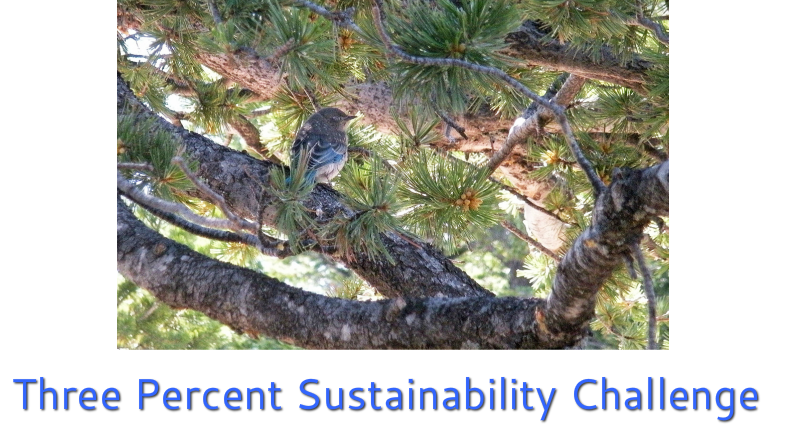
I received a birdhouse as a Christmas present.  Tucked inside the birdhouse was information on how to install the birdhouse and how to attract birds.  The information was prepared by Stephen Kress, who is associated with the Audubon Society.  One of the paragraphs talks about lawn and garden pesticides.  Many cavity-nesting birds are primarily insect-eaters and are vulnerable to poisoning from pesticides.  Per this information source, lawn chemicals can kill backyard birds.  In addition, some of the chemicals from the lawn may be washed off into nearby water sources, affecting wildlife in these areas.  One way you can help birds in your neighborhood is to minimize or eliminate the use of chemical pesticides in your yard.  Many insects are beneficial, providing food for other critters and pollinating flowering plants, which is another reason to avoid wide use of chemical pesticides.  Birds will also help reduce the insect population.  Research non-chemical methods of repelling undesirable insects.  One source is website information on Integrated Pest Management, which addresses many kinds of pests in homes, apartments, yards, and fields.  Here is one example of a website with information on alternatives to chemical pesticides.  If you choose biological controls, check multiple sources associated with your geographic area to make sure you are not introducing a more harmful pest. 
​
http://ipm.ucanr.edu/GENERAL/pesticides_alternatives.html
0 Comments

    Archives

    June 2026
    May 2026
    April 2026
    March 2026
    February 2026
    January 2026
    December 2025
    November 2025
    October 2025
    September 2025
    August 2025
    July 2025
    June 2025
    May 2025
    April 2025
    March 2025
    February 2025
    January 2025
    December 2024
    November 2024
    October 2024
    September 2024
    August 2024
    July 2024
    June 2024
    May 2024
    April 2024
    March 2024
    February 2024
    January 2024
    December 2023
    November 2023
    October 2023
    September 2023
    August 2023
    July 2023
    June 2023
    May 2023
    April 2023
    March 2023
    February 2023
    January 2023
    December 2022
    November 2022
    October 2022
    September 2022
    August 2022
    July 2022
    June 2022
    May 2022
    April 2022
    March 2022
    February 2022
    January 2022
    December 2021
    November 2021
    October 2021
    September 2021
    August 2021
    July 2021
    June 2021
    May 2021
    April 2021
    March 2021
    February 2021
    January 2021
    December 2020
    November 2020
    October 2020
    September 2020
    August 2020
    July 2020
    June 2020
    May 2020
    April 2020
    March 2020
    February 2020
    January 2020
    December 2019
    November 2019
    October 2019
    September 2019
    August 2019
    July 2019
    June 2019
    May 2019
    April 2019
    March 2019
    February 2019
    January 2019
    December 2018
    November 2018
    October 2018
    September 2018
    August 2018
    July 2018
    June 2018
    May 2018
    April 2018
    March 2018
    February 2018
    January 2018
    December 2017
    November 2017
    October 2017
    September 2017
    August 2017
    July 2017
    June 2017
    May 2017
    April 2017
    March 2017
    February 2017
    January 2017
    December 2016
    November 2016
    October 2016
    September 2016
    August 2016
    July 2016
    June 2016
    May 2016
    April 2016
    March 2016
    February 2016

    RSS Feed

  • Three Percent Sustainability Challenge
  • About
  • Contact